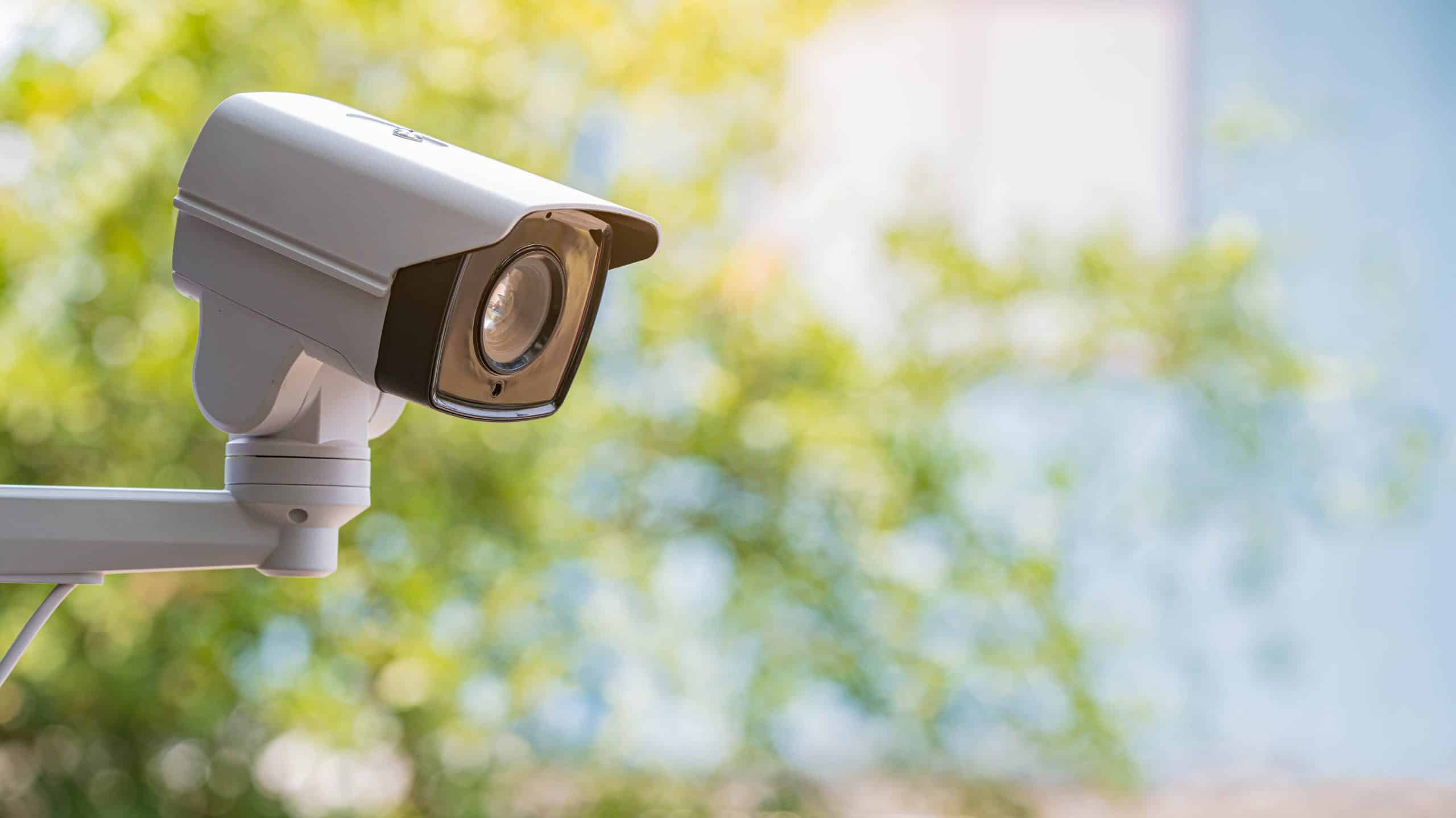
This guide walks you through the key decisions so you can go into any installation feeling informed and confident.
Where Do You Need Cameras?
The first step is working out which areas of your property are most at risk. Common spots include:
- Front and back doors
- Driveways and garages
- Car parks and loading bays (for businesses)
- Side gates and pathways
- Rear gardens or yards
Think about where someone could enter without being seen. A good camera placement plan covers the most likely entry points while keeping blind spots to a minimum. You do not need to cover every inch of your property, but you do want the key areas watched.
How Many Cameras Do You Actually Need?
There is no single answer to this. It depends on the size of your property and what you are trying to protect. As a rough guide:
| Property Type | Suggested Starting Point |
|---|---|
| Small terraced or semi-detached home | 2 to 4 cameras |
| Larger detached home | 4 to 6 cameras |
| Small retail or office premises | 4 to 6 cameras |
| Warehouse or industrial site | 8 or more cameras |
These numbers are just a guide. A free site survey from a professional installer will give you a much more accurate picture of what your property actually needs.
Wired or Wireless?
Both options have their benefits, and the right choice depends on your property.
Wired systems are generally more reliable. They do not rely on Wi-Fi, and the connection between the camera and the recorder is much harder to interfere with. They are a good choice if you want a long-term, permanent setup.
Wireless systems are easier to install and can be moved around if needed. They work well in rented properties, listed buildings, or places where running cables would be tricky. The trade-off is that they can be affected by signal strength and battery life.
If you are unsure, a security professional can assess your property and recommend the most practical solution.
Indoor vs Outdoor Cameras
Not all cameras are built the same way. Outdoor cameras need to be weatherproof, able to handle rain, cold, and direct sunlight. They also need a wide enough field of view to cover open areas.
Indoor cameras are typically smaller and less robust, but they are well suited to monitoring areas like reception desks, storage rooms, or entry hallways.
If you are setting up CCTV for a business, you may need both. Think carefully about which spaces genuinely require monitoring, and always consider the privacy of staff and visitors when positioning cameras indoors.
Storage: Cloud vs Local
Once your cameras are recording, where does the footage go? There are two main options:
Local storage means footage is saved to a hard drive or recorder on your property. You have full control over it, and there are no ongoing subscription fees. The downside is that if the recorder is stolen or damaged, you could lose the footage.
Cloud storage sends footage to a secure server over the internet. It is accessible from anywhere and not at risk if someone breaks in and takes your equipment. It usually comes with a monthly cost.
Many modern systems offer a mix of both, giving you a local backup alongside cloud access. Think about how long you need to keep footage and how easy you need it to be to access recordings remotely.
UK Legal Rules You Should Know
Before setting up CCTV, it is important to understand the basic legal rules in the UK.
The Information Commissioner’s Office (ICO) provides clear guidance for homeowners using CCTV. The key points are:
- Try to position cameras so they only capture your own property
- If cameras do capture a public area, a neighbour’s garden, or shared space, data protection law applies
- You must put up signage telling people that CCTV is in use
- Footage must be stored securely and deleted regularly
- You must be able to respond if someone asks to see footage they appear in
For businesses, there are additional responsibilities under UK GDPR, particularly if your cameras capture members of the public. It is always a good idea to get professional advice on compliance before you install.
CCTV Alongside Other Security Measures
CCTV works best as part of a wider security setup. Cameras can record what happens, but they work even better when combined with intruder alarms that alert you or a monitoring centre in real time. Together, they give you evidence and an active response.
For businesses, access control systems can also sit alongside your cameras to manage who enters which parts of your building.
Ready to Get Started?
Our CCTV installation services cover homes and businesses across Essex. We start with a free site survey, where one of our engineers will visit your property, assess the risks, and recommend a system that fits your needs and your budget.
We cover a wide range of locations. Check our areas we cover page to see if we work in your area, or get in touch directly to have a conversation with the team.
There is no obligation, and no pressure. Just honest advice from a local security company that genuinely cares about getting it right for you.
Call us on 01268 204634 or fill in our contact form to book your free site survey.