Access Control Systems in Essex: A Simple Guide

If you have ever wondered how businesses and homes control who can get in and out, the answer is usually an access control system. These systems replace traditional keys with something smarter. Instead of a key, you might use a fob, a PIN code, your fingerprint, or even your phone. This guide explains the main types of access control systems in Essex in plain terms, so you can work out which one suits your property best. What Is an Access Control System? An access control system is a way of managing who can enter a building, room, or area. It lets the owner decide who gets in, when they can get in, and keeps a record of every entry attempt. No more lost keys, no more changing locks every time a member of staff leaves. These systems work for all kinds of properties, from a family home in Chelmsford to a warehouse in Basildon or an office in Colchester. The Main Types of Access Control 1. Fob and Card Entry (Token-Based Systems) This is one of the most popular options for businesses. Each person is given a small card or key fob. When they hold it near a reader on the door, the system checks whether that fob is allowed in. If it is, the door unlocks. The big advantage is how easy it is to manage. If someone leaves the company, you simply remove their fob from the system. No need to change the locks. Cards can also be set to work only during certain hours, which is useful for shift-based workplaces. Best for: offices, shops, warehouses, and any site with multiple staff members. 2. Keypad Access (PIN Entry) With a keypad system, users type a PIN code to unlock the door. This is a simple and reliable option. Different people can be given different codes, and codes can be changed regularly to keep things secure. Keypad systems are often used on residential properties and smaller commercial sites where fewer people need access. They do not require any physical token, so there is nothing to lose or forget, as long as you remember your PIN. Best for: family homes, small offices, and secondary entrances where visitor access is occasionally needed. 3. Biometric Access Control Biometric systems use something unique about your body to verify who you are. The most common type uses fingerprint recognition. Some systems use facial recognition instead. Because your fingerprint or face cannot be copied as easily as a key or a card, biometric access control offers a higher level of security. It also means there is nothing to carry or remember. The downside is that these systems tend to cost more and can be slightly slower at busy entry points. Best for: high-security areas such as server rooms, stock rooms, data centres, and any location where it is critical to know exactly who entered. The National Cyber Security Centre (NCSC) provides useful guidance on identity and access management, including how biometric authentication can form part of a layered security approach. 4. Video Door Entry Systems Video door entry lets you see and speak to a visitor before you let them in. A camera and intercom are fitted at the entrance. The person inside can see who is at the door on a screen or their phone, then choose whether to unlock the door remotely. This is a popular option for residential properties, blocks of flats, and reception areas where you want to screen visitors before granting access. Best for: homes, residential blocks, and front-of-house business entrances. 5. Smart Access Control (App-Based Entry) Modern smart systems connect to your smartphone. You can unlock doors remotely, grant temporary access to a visitor, and receive a notification every time someone enters. Some systems use Bluetooth or mobile credentials instead of a physical fob. This kind of system suits property owners or managers who are not always on site but want to stay in control of who comes and goes. Best for: landlords, business owners who manage multiple sites, and any property where remote access management is useful. Comparison Table: Which System Is Right for You? System Type How It Works Best For Level of Security Fob / Card Entry Tap a card or fob on a reader Offices, warehouses, multi-staff sites Medium to High Keypad / PIN Enter a code on a pad Homes, small offices Medium Biometric Fingerprint or face scan High-security areas Very High Video Door Entry Camera and intercom with remote unlock Homes, flats, reception areas Medium Smart / App-Based Control via smartphone Remote management, landlords Medium to High Can Access Control Work Alongside Other Security? Yes, and it works very well when combined with other security measures. Many Essex homes and businesses pair access control with CCTV so that entry attempts are recorded on camera. Others add intruder alarms so that any unauthorised access triggers an alert. A layered approach like this gives you much better protection than any single system on its own. What Happens During Installation? A professional installer will visit your property, understand your needs, and recommend the right system. They will handle all fitting, testing, and set-up, and show you how to use everything before they leave. Beecham Security offers a 12-month warranty on all installations and provides ongoing support after that. Ready to Find the Right System? If you are still not sure which type of access control is right for your Essex home or business, Beecham Security can help. Get in touch for a free quote and an honest conversation about what suits your property and your budget.
How Access Control Installers Protect Essex Businesses

Running a business in Essex means looking after your premises, your staff, and everything inside. One of the best ways to do that is to control who can get in and who cannot. That is exactly what access control does. This guide explains what access control installers do, what types of systems are available, and why professional installation makes a real difference for Essex businesses. What Does an Access Control Installer Do? An access control installer designs, fits, and sets up systems that manage entry to your building or specific areas within it. Instead of handing out physical keys, your staff and visitors use cards, fobs, PIN codes, or biometrics such as fingerprint scanning. A good installer does far more than fit hardware to a wall. They carry out a site survey, advise on the right system for your premises, and make sure everything works correctly before they leave. They also show you and your staff how to manage the system going forward. For Essex businesses, working with a local installer means you get someone who understands the area, can visit quickly if something goes wrong, and knows the types of properties and commercial sites common across the county. Types of Access Control Systems There are several types of access control systems available, and the right choice depends on the size of your site, the number of users, and the level of security you need. Card and Fob Readers Users tap a card or key fob on a reader to gain entry. Cards can be added, removed, or restricted in seconds. This is one of the most popular options for offices, retail units, and warehouses across Essex. Keypad Entry Systems Users enter a PIN code to unlock a door. Codes can be changed regularly and different codes can be given to different people or teams. This is a cost-effective option for smaller premises or internal doors. Biometric Systems Biometric systems use fingerprint or facial recognition to verify identity. They offer the highest level of security and are ideal for restricted areas where you need to be certain about who is entering. Mobile and App-Based Access Some modern systems let you manage access from your smartphone. You can grant or remove permissions remotely, receive alerts when someone enters, and check access logs from anywhere. Which System Suits Your Business? The table below gives a simple guide to help you match a system type to your property. System Type Best Suited For Key Benefit Card / Fob Reader Offices, warehouses, multi-door sites Easy to manage, quick to update Keypad Entry Small offices, internal doors Cost-effective, no cards needed Biometric Server rooms, cash offices, restricted areas Highest identity assurance Mobile / App-Based Multi-site businesses, remote managers Manage access from anywhere Intercom with Camera Receptions, gates, main entrances Visitor control with visual verification What to Expect from the Installation Process Understanding what happens from start to finish helps you plan properly and get the most from your new system. Site Survey The installer visits your premises to assess entry points, identify security risks, and recommend the right equipment. This step ensures the system is designed around your specific layout rather than a generic template. Quotation and Approval You receive a full breakdown of costs with no hidden charges. Work only begins once you approve the quote. Installation Day The engineer confirms a date and sends a tracking message on the day. On arrival, they go through the placement of all equipment with you to make sure you are happy before any fitting begins. Testing and Handover Once everything is installed, the engineer tests the full system. All paperwork is completed and sent to you. The engineer then walks you through how to manage the system and answers any questions. Warranty and Aftercare Reputable installers provide a 12-month warranty from the date of installation. Around 11 months in, you will typically be offered a service agreement to cover ongoing maintenance. Why Professional Installation Matters It can be tempting to look for cheaper options, but access control is not something to cut corners on. A poorly fitted system can create security gaps, fail at critical moments, or simply be difficult for your team to use. Professional commercial security installers bring the skills and experience to get things right first time. They also make sure your system complies with relevant legislation, including the Equality Act 2010 and fire safety regulations. According to guidance from ProtectUK, which is run by counter terrorism policing, an effective access control system should include clear procedures, trained staff, and regular maintenance to stay secure. Access Control and Your Wider Security Setup Access control does not have to work alone. It connects well with other security systems, creating a more complete layer of protection for your premises. For example, linking access control with CCTV installation means you can see footage tied to specific entry events. If a door is opened at an unusual time, you can check the camera and review exactly what happened. Systems can also integrate with intruder alarms and fire alarms. In the event of a fire, for instance, doors can be set to unlock automatically so people can exit safely. Benefits for Essex Businesses Essex has a wide range of business types, from small independent shops to large industrial sites. Access control helps all of them in similar ways. You know who is on your premises at any time. You can restrict sensitive areas to specific members of staff. You create an accurate record of who entered and when, which is valuable if an incident occurs. You also reduce reliance on physical keys, which can be copied or lost. For businesses with staff working shifts or visiting clients from remote locations, the ability to manage access remotely is a major advantage. Choosing the Right Installer in Essex When looking for access control installers in Essex, focus on companies with local knowledge, transparent pricing, and a clear installation process. Check that they carry out a proper site survey
Access Control Essex: Biometric vs Card Systems Explained
Choosing the right access control system for your Essex business means understanding the difference between card readers and biometric scanners. Both options protect your premises effectively, but each suits different security needs and budgets. Card-Based Entry Systems Card systems use physical cards or key fobs that staff tap on a reader to unlock doors. Each card contains a unique code. When the control system recognises an authorised card, the door opens. These systems are popular across Essex businesses because they’re simple to use and manage. If someone leaves your company, you delete their card from the system immediately. No worries about collecting keys or unauthorised copies. Cards typically cost £2-£5 each to replace when lost. Biometric Access Control Systems Biometric systems identify people using fingerprints or facial recognition instead of cards. You can’t lose your fingerprint like you might lose a card, making these systems highly secure for protecting a secured area. However, biometric data counts as special category information under UK law. According to the Information Commissioner’s Office guidance on biometric recognition, businesses must follow strict data protection rules, get proper staff consent, and keep biometric information extremely secure. Comparing the Two Systems Feature Card Systems Biometric Systems Initial Cost £800-£2,000 per door £1,500-£4,000 per door Ongoing Costs Card replacement (£2-£5 each) Minimal (no cards to replace) Speed of Access 1-2 seconds 2-3 seconds User Convenience Can lose or forget cards Nothing to lose or forget Legal Requirements Standard data protection Extra biometric data rules Can Be Shared? Yes (security risk) No (tied to individual) Which System Suits Your Essex Business? Card systems work best for: Offices with high staff turnover in Chelmsford, Basildon, and Colchester find cards simple because you just issue a new one to each starter. Businesses with regular visitors prefer cards too. You can hand visitors a temporary card, then delete their access when they leave. Budget-conscious small businesses get solid security without the higher price tag. Biometric systems work best for: High-security environments like data centres and pharmaceutical companies benefit from biometric access control Essex solutions because fingerprints can’t be shared, lost, or copied. Healthcare and food processing businesses appreciate touchless options for hygiene. Banks and legal firms often need the extra security that biometric entry systems provide to meet regulatory standards. Maintenance and Integration Card readers need minimal maintenance. A quick clean occasionally keeps them working well. The access control systems integrate easily with your existing CCTV and intruder alarms. Fingerprint scanners need weekly cleaning to stay accurate. Dust and oils build up on the scanning surface. Both types of access control connect with your wider security setup, recording who entered and when. Making Your Choice Many Essex businesses use both systems together. Card readers on main entrances for everyday use, but biometric scanners on particularly sensitive areas like server rooms. This gives you the right level of security where you need it most. Professional access control system installers in Essex assess your specific needs. They consider your building layout, number of entry points, staff size, and security requirements. They’ll explain the options clearly and give you accurate costs for both systems, ensuring you get the right solution for protecting your business premises.
Why Essex Businesses Need Professional Access Control Installers

Installing an access control system yourself might seem like a good way to save money. But this security solution needs expert knowledge to work properly. Professional access control installers protect your investment and help you avoid costly mistakes. Why Access Control Systems Are Complex Modern access control systems do much more than lock doors. These electronic access control systems connect to your network, work with security cameras, and store data securely. What looks simple actually needs technical skills to set up correctly. Cloud based systems need proper configuration. Access management software must be programmed for different users. Only authorized individuals should get through certain doors. Setting this up wrong creates security risks. Common DIY Mistakes The biggest problem is poor wiring. Access control systems need exact connections between control panels, card readers, and locks. Bad wiring causes failures or fire risks. Wrong placement is another issue. Card readers near metal don’t work well. Locks without enough power fail when you need them most. Professional installers know the right spots for each part. Key fobs and access control software need careful setup. Without proper configuration, you might give people access to the wrong areas or lose important security records. Meeting UK Rules and Regulations The Building Regulations 2010 set strict rules for commercial properties. Your access control system installed must work with fire alarms. Locked doors must open automatically during fires so people can escape safely. Professional installers know these legal requirements. They make sure your security access control meets fire safety and accessibility rules. Getting this wrong could mean fines or prosecution. Your system also needs to follow data protection laws. Access control software collects personal information through key fobs and entry logs. Experts help you store this data securely and protect people’s privacy. Expert Setup and Integration Based access control systems need skilled programming. Professional installers set up access schedules, create security zones, and connect everything to work together smoothly. Your physical security system might need to work with existing security cameras, intruder alarms, and fire equipment. Experts know how to link these different systems for better protection. Real time monitoring and cloud based access need secure network connections. Without proper setup, hackers could break in. Professional installers add encryption and regular security updates to keep your system safe long term. Professional Support Saves Time and Money Access control systems need regular checks to work well. Professional installers offer maintenance that includes software updates and quick help when problems happen. This keeps your security measure working properly. When issues come up, expert support saves hours of frustration. A professional who knows your system can often fix problems remotely or send someone who understands your setup. Growing businesses need to add doors and users over time. Professional installers expand your access control solution without stopping your work or creating security gaps. Real Essex Business Example A Chelmsford manufacturing company upgraded from basic locks to a full access control system. They chose professional commercial security installers instead of DIY. The experts spotted needs the business hadn’t thought about. Different staff needed different access levels. The system had to work with existing security cameras and alarms. Fire rules meant some doors needed automatic opening. Installers finished in three days with full training. They set up 47 user accounts, created security logs, and connected everything properly. The business got certificates proving they met all building rules. Six months on, everything runs smoothly. The company tracks attendance and investigates security issues using the system. When they added five new doors, their installer did the work in half a day with no problems. Making the Smart Choice Professional installation costs more at first but saves money long term. The risks of breaking rules, system failures, and security problems make expert installation the right choice for Essex businesses. Choose installers with proven experience in business security systems. Check they know UK building rules and can show references. Good installers assess your needs, explain options clearly, and support you after installation. Your access control system protects your premises, equipment, and staff. Trust qualified professionals to install it right. This ensures reliable operation, legal compliance, and the ability to grow as your business changes. Professional installation gives you peace of mind that DIY work cannot match. Enhancing security with expert help means your business stays protected now and in the future.
How to Choose the Right Access Control System for Your Business

Protecting your business premises isn’t just about locking the doors anymore. Modern security solutions require an access control system that manages who enters your premises and when. Whether you run a small office in Chelmsford or manage multiple sites across Essex, choosing the right system for your business makes all the difference. Understanding How Access Control Works An access control system manages physical access to your building using electronic credentials instead of traditional keys. These entry systems use key cards, PIN codes, mobile credentials, or biometric scanners to control who can enter a specific area. The system tracks every entry in real time, creates detailed logs, and lets you manage access remotely. You can grant temporary access to contractors, revoke permissions instantly when someone leaves, and monitor your premises from anywhere – ensuring efficient security management around the clock. Why Access Control for Businesses Matters Physical security remains crucial for UK businesses. Get Safe Online, the UK’s leading online safety resource, highlights that inadequate protection makes it simple for criminals to steal devices and access sensitive data. Access control systems deliver multiple benefits: Track employee attendance and movement patterns Restrict access to sensitive areas like server rooms Meet insurance requirements for commercial properties Create safer environments for staff and customers Eliminate the costs of replacing lost keys Types of Access Control Solutions Understanding the different types of access helps you choose what’s right for your business. Keypad Entry Systems Users enter a PIN code to gain access. These control systems are straightforward and budget-friendly, ideal for smaller businesses or internal doors. The main advantage is simplicity – no cards to carry or lose. Best for: Small offices, residential properties, internal doors Card and Fob Systems The most popular choice. Employees tap or swipe a card to enter. These access management systems are reliable and affordable. You can quickly deactivate lost cards and issue new ones. Modern versions use proximity technology for contactless entry. Best for: Medium to large offices, retail spaces, warehouses Biometric Systems These use fingerprints, facial recognition, or iris scans. They offer the highest security levels because credentials can’t be shared, lost, or stolen. Perfect for high-security zones where you need absolute certainty about who’s entering. Best for: Server rooms, laboratories, pharmaceutical storage Mobile Access Systems The newest option uses smartphones as mobile credentials. Staff use an app to unlock doors. This technology is convenient and modern, letting you grant or revoke access instantly from anywhere. Best for: Tech-forward companies, businesses with remote management needs Comparing Control Systems Feature Keypad Card/Fob Biometric Mobile Security Level Medium High Very High High Initial Cost £200-500 £500-1,500 £1,000-3,000 £800-2,000 Easy to Use Excellent Excellent Good Excellent Scalability Limited Excellent Good Excellent Maintenance Low Low Medium Low Essential Features to Consider Scalability and Integration Choose management systems that grow with your business. Start with a single door and expand to cover entire buildings. Look for solutions that can be seamlessly integrated with your existing alarm system, CCTV cameras, and fire safety equipment. This creates a comprehensive security network. Real Time Monitoring Can you control the system remotely? Real-time access means granting entry to delivery drivers at 6 am or locking down the building instantly during incidents. Modern security systems let you check who entered this morning from your phone. Audit and Access Management Every system should log who entered, when, and through which door. This access management capability is essential for investigating incidents and meeting legal requirements. Questions to Ask Suppliers Before choosing access control solutions, get clear answers: About Installation: How long will installation take? Will it disrupt operations? Can it work with my existing alarm system? What happens when integrating with existing security? About Features: Can I add more doors later? Does it provide real-time monitoring? How does access control work with my current setup? Can I use mobile credentials? Matching the System for Your Business Every business needs different security solutions. Consider: Security Level Required Match security levels to what you’re protecting. An estate agent’s office has different needs than a data centre. Different types of access suit different security requirements. Building Layout A single-door office needs something different from a multi-storey building. Think about how many entry systems you need and how staff move around. Budget and Growth Quality access control systems require upfront investment but save money long-term through ensuring efficient operations, reduced key replacement costs, and lower insurance premiums. Installation and Ongoing Support Professional installation is essential when integrating with existing security systems. Look for installers who conduct thorough site surveys, use quality components, and provide clear training. Regular maintenance keeps control systems reliable. Most suppliers offer service agreements covering system health checks, software updates, and priority response to problems. Legal Requirements Access control for businesses collects personal data about who enters your premises. Comply with UK GDPR by informing employees about monitoring, storing data securely, and only keeping records as long as necessary. Your insurance company may require certain security solutions. Check your policy – you might get premium reductions with proper access management systems. Making Your Decision Choosing the right access control system matches technology to your needs: Assess your security requirements Set a realistic budget, including installation and expansion Research suppliers with local presence and good reviews Compare different types of access control solutions Check how systems work with your existing setup Plan for future growth The right security systems feel invisible when working properly – seamless for authorised users whilst keeping everyone else out.
Securing Your Perimeter: The Importance of Access Control and Intercom Systems

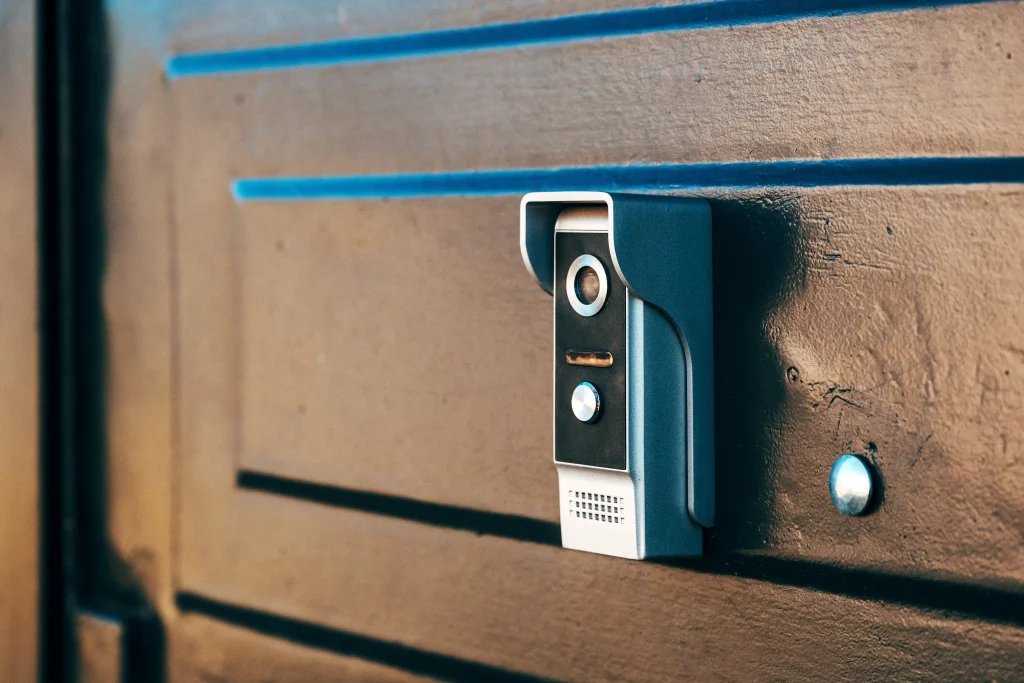
When it comes to protecting your property, one of the most important questions is simple: who should be allowed in, and who shouldn’t? This is where perimeter security becomes crucial for both homes and businesses across Essex. What Is Perimeter Security? Your perimeter is the boundary of your property – whether that’s the front gate of your home or the entrance to your business. Securing this perimeter means having control over who can cross that boundary and when. Many property owners focus on what happens inside their premises – CCTV cameras, alarm systems, and locks. Whilst these are important, they’re often your last line of defence. Effective perimeter security stops unauthorised access before it becomes a problem. How Access Control Systems Work Access control systems manage and monitor who can enter your property. Rather than relying on traditional keys, which can be copied or lost, these systems use modern technology to grant or deny access. The basics are straightforward: Credentials – Users identify themselves with a key card, fob, PIN code, or fingerprint Readers – Devices at entry points that check these credentials Control panel – The system that decides whether to grant access Locks – Electronic locks that release when access is approved For homes, this might mean a keypad on your front gate. For commercial premises, it could involve multiple access points with different permission levels for staff, visitors, and contractors. The Role of Intercom Systems An intercom system adds communication and verification to your security setup. Rather than granting access automatically, intercoms let you see and speak with visitors before deciding whether to let them in. Modern intercom systems offer features that make life easier: Video capability – See who’s at your gate in real-time Two-way audio – Speak with visitors without opening the door Remote access – Answer your intercom from your smartphone, even when you’re away Integration – Connect with your access control system Professional intercom system installers can set up these systems to work with your existing Essex security infrastructure, creating one complete solution rather than separate devices. Why These Systems Work Better Together The real power comes when you combine access control with intercom systems. For known visitors, your access control system provides convenient, keyless entry. Regular staff, family members, or approved contractors can enter quickly, with the system logging who entered and when. For unexpected visitors, your intercom system lets you verify their identity before granting access. This is particularly valuable for homes, where you might have deliveries, tradespeople, or guests arriving throughout the day. For enhanced security, both systems create detailed records. According to Get Safe Online, a government-backed organisation, physical security measures like access control are essential for protecting both homes and businesses. Benefits for Homes Homeowners are increasingly recognising the value of these systems: Convenience – No more fumbling for keys or worrying about lost keys Family safety – Know exactly when children arrive home from school Delivery management – Speak to couriers and grant temporary access when needed Holiday peace of mind – Check and control access remotely whilst you’re away Benefits for Businesses Businesses have even more to gain: Employee accountability – Track exactly who is on-site at any time Restricted areas – Limit access to sensitive locations like server rooms Visitor management – Screen and log all visitors for safety After-hours security – Control premises outside business hours Emergency response – Quickly identify who’s in the building during emergencies Choosing the Right System Not every property needs the most advanced system available. The key is finding the right balance. Consider: Property size – How many entry points need securing? User numbers – How many people need regular access? Integration needs – Should it work with existing CCTV or alarms? Future expansion – Might you need to add more access points later? Professional Installation Matters Whilst some basic systems can be self-installed, professional installation ensures your access control systems work reliably. Experienced intercom system installers understand the unique challenges of different properties and can position equipment for maximum effectiveness. Professional installation also means proper setup of user permissions, regular maintenance, and ongoing support when you need it. Taking the Next Step Securing your perimeter isn’t just about keeping unwanted visitors out – it’s about creating a system that makes life easier whilst providing genuine peace of mind. Whether you’re protecting your family home or managing a business, the combination of access control and intercom systems offers a practical solution. At Beecham Security, we specialise in designing personalised Essex security solutions that match your specific needs. We take time to understand how you use your property, who needs access, and what concerns you most. Your property’s perimeter is the first line of defence. Make sure it’s protected by systems you can trust, installed by professionals who care about getting it right.
School Security: Access Control Solutions for Essex Educational Facilities

Schools across Essex need proper security to keep students and staff safe. Modern access control solutions help create secure learning spaces whilst keeping the friendly feel that makes education work. Why School Security Matters Educational facilities face real security challenges every day. From strangers wandering into buildings to theft of expensive computer equipment, schools need protection. The government now requires every school or college to check their security risks and put proper measures in place. Access control systems are the foundation of good school safety. These security systems control who gets into your buildings and when they can access different areas. For Essex educational sector buildings, this means better protection for everyone inside. How Access Control Systems Work Think of access control solutions as smart locks that know who should be where. Staff get cards or key fobs that let them into the areas they need. Students understand they must use the main entrances, whilst visitors go straight to reception first. Modern security systems offer several options. Smart cards work by simply touching a reader. Key fobs fit easily on keychains. Some schools use PIN codes for certain doors. The most secure areas might use fingerprint readers. These systems give you controlled access to every part of your school. Reception staff can see who’s trying to get in and decide whether to let them through. Everything happens in real time, so you always know what’s going on. Meeting Government Rules Local authorities and the Department for Education are clear about what schools need. The Department for Education’s school and college security guidance states that your main entrance must have proper access control with an intercom and camera. Other doors should stay locked from the outside but open easily from the inside during emergencies. Educational facilities must carry out risk assessments to spot potential problems. This helps schools choose the right security measures for their specific needs. Every school is different, so your security solutions should match your particular situation. Benefits for Essex Schools Good access control systems protect more than just buildings. They help schools manage daily operations better, too. You can track who’s on site for fire safety reasons. Some systems even turn off lights and heating when rooms are empty, saving money. Reception staff feel more confident when they can control entry remotely. They can speak to visitors through intercoms and see them on screens before deciding whether to open doors. This keeps unwelcome people out whilst welcoming genuine visitors properly. Professional Installation Matters Installing security systems in schools requires proper expertise. All engineers working in educational facilities must have DBS checks. They need to understand how schools work and what makes them different from other buildings. At Beecham Security, we know that every Essex school has different needs. We visit your site first to understand your layout and challenges. Then we design access control solutions that fit your specific requirements and budget. Our team explains everything in plain language so you understand exactly what you’re getting. We provide training for your staff and ongoing support to keep everything working properly. For more details about our complete range of access control systems, visit our dedicated page. Getting Started School security doesn’t have to be complicated. The right access control solutions make your educational facility safer without making daily life harder for staff and young people. Start with a professional security assessment. This identifies where you need protection most and helps you invest wisely in systems that actually work. Contact Beecham Security today to discuss how we can help protect your Essex school with tailored security solutions that make sense for your community.