Site Security Essex: What Construction Sites Need

Construction sites are busy, open, and full of expensive equipment. That makes them an easy target. Tool theft, trespassing, and vandalism are all common problems on active sites across Essex. Yet many site managers and small developers do not put proper security in place until something goes wrong. This guide breaks down the biggest threats your site faces and explains which security solutions deal with each one. Why Construction Sites in Essex Are at Risk An active construction site is hard to secure. Workers come and go. Fencing goes up in stages. Valuable equipment is left on site overnight. All of this creates gaps that opportunists can exploit. The most common threats facing Essex construction sites include: Tool theft — power tools, copper wiring, and plant machinery are all high-value targets Trespassing — unauthorised entry puts people at risk and creates liability for site managers Vandalism — damage to materials and structures can cause costly delays Metal theft — cables and pipework are stripped and sold for scrap The Health and Safety Executive (HSE) also notes that principal contractors must take reasonable steps to prevent unauthorised access to their sites, making security a legal requirement as well as a practical one. The Right Security for a Construction Site Not all security systems are designed for construction environments. Fixed alarms and permanent cameras are not always practical on a site that changes week to week. You need solutions that are flexible, fast to install, and easy to move. Here is what works. Mobile CCTV Towers A mobile CCTV tower is a self-contained unit that can be placed anywhere on site without needing mains power or fixed cabling. Most run on solar power or batteries and can be repositioned as the build progresses. They are ideal for monitoring wide open areas, site entrances, and materials storage zones. Footage can be watched live by a remote monitoring team, who can raise the alarm if something suspicious is spotted. Our CCTV systems at Beecham Security are designed for exactly this kind of flexible deployment. Wireless Scaffold Alarms Scaffolding gives intruders an easy route into a building from above. A scaffold alarm detects unauthorised movement on or near the structure and triggers an immediate alert. Wireless systems are quick to fit and easy to move as the scaffold changes. They do not need complex installation and can be active the same day they are put up. Temporary Access Control Knowing who is on your site at any given time is essential for both security and safety. Temporary access control systems use key fobs, cards, or PIN codes to restrict entry to authorised workers only. They also log who enters and exits, giving you a clear record of site attendance. This is useful for payroll, insurance, and incident investigations. If you want to tighten up access control for your site, a temporary system can be up and running quickly with no permanent infrastructure needed. 24/7 Remote Monitoring Security equipment is only effective if someone is watching. Remote monitoring means a trained operator is reviewing your site at all hours. If an alarm is triggered or a camera detects movement, they can contact keyholders and, if needed, the police. This removes the need to pay for on-site security guards overnight, which can significantly reduce costs on longer projects. Comparing Your Options Security Solution Best For Can Be Relocated? Needs Mains Power? Mobile CCTV Tower Wide-area monitoring Yes No Scaffold Alarm Protecting scaffold access points Yes No Temporary Access Control Managing site entry and attendance Yes Sometimes 24/7 Remote Monitoring Out-of-hours response N/A No What Happens When an Alarm Is Triggered? When a motion sensor or alarm is activated, the monitoring centre receives an instant alert. Operators review the live camera feed, contact the designated keyholder, and coordinate a response if required. On-site sirens activate at the same time to deter intruders. This all happens in minutes, which is often enough to prevent theft or damage before it takes place. How Much Could Theft Cost Your Site? The impact of a single break-in can be significant. Beyond the cost of stolen tools or materials, you may face: Delays to the build schedule Increased insurance premiums Costs to repair damaged fencing or structures Time spent filing police reports Good security pays for itself quickly when you consider what a single incident can cost. Get a Site Security Assessment If you are running a construction project in Essex and are not sure where to start, the best first step is a site assessment. A specialist can look at your layout, identify the weak points, and recommend the right combination of systems for your project. Our team at Beecham Security provides tailored site security Essex solutions for construction projects across the county. We offer flexible, temporary systems that can be installed quickly and moved as your build progresses. Get in touch today for a free site assessment and quote.
CCTV Installation in Essex: Choosing the Right System

Thinking about getting CCTV fitted at your home or business in Essex? You are not alone. More and more property owners across the county are looking at their options, and there are quite a few things to think through before you buy. This guide covers the key questions most people ask before going ahead, from how many cameras you need to what resolution is worth paying for. Why CCTV Matters in Essex CCTV does more than just record what happens. A visible camera is often enough to make someone think twice before targeting your property. Footage can also support insurance claims and help police investigations if something does go wrong. For businesses, cameras can also help with staff safety and monitoring sensitive areas. That is why commercial security often includes CCTV as a key part of the overall setup. How Many Cameras Do I Need? There is no single answer to this, as it depends on the size and layout of your property. That said, most homes can be covered well with two to four cameras, while a small business might need four to eight. The important thing is coverage. Think about entry and exit points, car parks, side passages, and any blind spots that cannot be seen from the road. A security specialist can carry out a site assessment to work this out properly. Where Should Cameras Go? Placement is one of the most important parts of any CCTV installation. A camera in the wrong position is far less useful, even if it is a high-quality one. Some common positions to consider: Front door and rear entrance Driveway or car park Side gates and alleyways Main corridors inside a business premises It is also worth knowing that if your cameras point beyond the boundary of your property, such as onto a public road or a neighbour’s garden, UK data protection rules may apply to you. The GOV.UK guidance on domestic CCTV and your legal responsibilities is a helpful starting point. What Resolution Should I Choose? Resolution affects how clearly you can identify people and vehicles in your footage. Here is a simple breakdown: Resolution Quality Best For 1080p (Full HD) Good Most homes and smaller businesses 4K Ultra HD Excellent Larger sites, car parks, entrances needing fine detail HD 720p Basic Low-risk areas where general coverage is enough 4K CCTV in Essex is becoming much more popular. The image quality is noticeably better, and the price gap between HD and 4K has closed significantly. If you want to be able to read number plates or identify faces clearly, 4K is well worth considering. Indoor vs Outdoor Cameras Not all cameras are built the same. Outdoor cameras need to be weatherproof and able to handle direct sunlight, rain, and low temperatures. Indoor cameras are generally smaller and less bulky, as they do not need the same level of protection. Feature Indoor Camera Outdoor CCTV Camera Weatherproofing Not required Essential (IP65 or higher) Night vision Optional Usually included Housing Compact Robust, vandal-resistant Typical use Reception areas, offices, hallways Entrances, car parks, perimeter Outdoor CCTV cameras with infrared night vision are standard for most Essex properties, as many incidents happen after dark. Wired vs Wireless Systems Both have their place, and the right choice depends on your property. Wired systems are more reliable over the long term. They do not depend on Wi-Fi and are harder to interfere with. They take more time to install but are generally the preferred option for permanent setups, particularly in commercial settings. Wireless systems are easier to install and can be a good fit for rented properties or where running cables would be difficult. They rely on a strong Wi-Fi signal and will need batteries or a power source nearby. Standalone System or Remote Viewing? A standalone system records footage locally to a hard drive or memory card. You can review the footage on-site, but you cannot check in remotely. A system with remote viewing lets you watch live or recorded footage from your phone or laptop, wherever you are. This is particularly useful for business owners managing multiple sites or homeowners who travel regularly. Most modern systems support remote viewing as standard, so this is worth asking about when getting quotes. What Does CCTV Installation Cost in Essex? CCTV system costs in Essex vary depending on the number of cameras, resolution, storage type, and whether you want remote monitoring. A basic two-camera home system with professional installation typically starts from a few hundred pounds, while a full commercial setup can run into several thousand. Getting a written quote with no hidden costs is essential. Reputable installers will provide a full breakdown before any work begins. Why Use a Professional Installer? A DIY system might seem cheaper upfront, but professional installation brings real benefits. A trained engineer will position cameras correctly, run cables neatly, configure recording settings, and make sure the system complies with UK regulations. You will also get training on how to use the system, access recordings, and set up remote viewing. And if something goes wrong, you have someone to call. Beecham Security provides professional CCTV installation across Essex, with clear pricing and ongoing support. If your site also needs wider protection, our intruder alarms can be installed alongside CCTV for a joined-up security solution. Ready to Get a Quote? If you are based in Essex and want to talk through your options, Beecham Security offers free consultations with no obligation. Get in touch to arrange a site visit and find out what system would work best for your property.
The Ultimate Guide to CCTV Installation for Homes and Businesses in Essex

Ensuring the safety of your home or business is more important than ever. CCTV systems are an effective way to protect your property, deter crime, and provide peace of mind. Whether you’re a homeowner, landlord, or business owner in Essex, this ultimate guide will cover everything you need to know about CCTV installation – from choosing the right system to legal compliance and professional installation tips. Why CCTV is Essential for Homes and Businesses CCTV systems are more than just a deterrent – they’re a vital part of modern security. They help: Prevent crime by deterring burglars, vandals, and intruders. Monitor your property remotely via apps and cloud-based systems. Collect evidence for insurance claims or police investigations. Integrate with other security systems such as alarms, access control, and automated gates. For businesses, CCTV also ensures staff safety, monitors sensitive areas, and supports health and safety compliance. Legal Considerations for CCTV in the UK Installing CCTV in Essex comes with legal responsibilities: Informing people: For public areas or shared spaces, clearly display signage indicating CCTV use. Data Protection Compliance: CCTV footage must comply with the UK GDPR and Data Protection Act 2018. Recording Limits: Avoid capturing footage beyond your property boundary. Retention: Only store recordings for as long as necessary, typically 30 days for most businesses. Following these rules ensures your CCTV system is both effective and legally compliant. DIY vs Professional Installation Installing a CCTV system yourself might seem like a cost-effective option, but there are several important factors to consider. DIY installations can be challenging, especially when it comes to achieving full coverage, optimising camera angles, and ensuring the system functions reliably. Professional CCTV installation offers significant advantages: Optimised Camera Placement: Experts strategically position cameras to eliminate blind spots and maximise coverage, both indoors and outdoors. Reliable Power and Network Setup: Professional installers ensure your system has a stable power supply, correct wiring, and a secure network connection for uninterrupted operation. Advanced Configuration: Systems are configured for remote access, real-time alerts, and cloud storage, so you can monitor your property anytime, anywhere. Legal and Regulatory Compliance: A certified installer ensures your CCTV setup meets UK GDPR, Data Protection Act regulations, and best practice security standards. Ongoing Support and Maintenance: Professional services include troubleshooting, firmware updates, and maintenance, giving you long-term peace of mind. At Beecham Security, we specialise in professional CCTV installation across Essex, providing bespoke systems tailored to the unique requirements of your home or business. From residential properties to commercial premises, we ensure your CCTV system delivers maximum security, reliability, and compliance. Planning Your CCTV Installation Before installation, consider these key steps: Conduct a Security Assessment: Identify vulnerable points, such as entrances, driveways, and blind spots. Choose Your System: Decide on camera types, coverage areas, storage options, and integration with alarms or access control. Professional Installation: Hire a certified installer to ensure optimal performance and compliance. Benefits of Professional CCTV Installation Professional CCTV installation offers several advantages: Enhanced Coverage: Cameras positioned for maximum visibility. High-Quality Equipment: Access to reliable, durable systems. Integration: Seamless connection with intruder alarms, access control, and remote monitoring apps. Peace of Mind: Technical support and maintenance services. FAQs About CCTV Installation in Essex Q: Can I install CCTV myself? A: Yes, but professional installation ensures compliance, optimal placement, and full functionality. Q: Do I need permission to install CCTV? A: For private property, permission is generally not required, but you must ensure you don’t capture public areas or neighbours’ property. Q: How long should I store CCTV footage? A: Typically 30 days, unless required for legal reasons or insurance claims. Q: Can CCTV integrate with other security systems? A: Yes, professional systems can integrate with alarms, access control, and even automated gates for a complete security solution. A properly installed CCTV system is an essential investment for anyone looking to secure their home or business in Essex. From selecting the right cameras to ensuring legal compliance, professional installation guarantees the best protection and peace of mind. At Beecham Security, we provide expert CCTV installation tailored to your property’s needs, offering high-quality systems, remote monitoring, and full support across Essex. Protect your property today with a system designed for real-world security.
CCTV Storage Solutions: How Long Should Essex Homes Keep Footage?

If you have CCTV cameras protecting your Essex property, you need to know how long to keep the footage. This is not just about storage space. UK law requires you to handle CCTV recordings properly, and getting it wrong can cause serious problems. Many Essex homeowners install CCTV systems but do not think about what happens after recording starts. Your footage counts as personal data under UK law, which means you have legal duties about storage and retention. What UK Law Says About CCTV Footage The rules are simple: only keep footage as long as you actually need it. You cannot just store everything forever “just in case”. Government guidance on domestic CCTV states you should not store information for longer than necessary to protect your property. For most Essex homes and businesses, keeping footage for 7 to 30 days works well. This gives you enough time to check recordings if something happens, without keeping data longer than needed. How Long to Keep CCTV Footage Different properties need different retention periods: Property Type Retention Period Reason Residential homes 7-14 days Time to spot and report incidents Small businesses 14-30 days Weekly reviews and investigations Retail shops 30 days Stock checks and theft detection Licensed premises 30-60 days Often required by licensing rules High-risk sites 30-90 days Extended security investigations Write your retention period in a clear policy. This shows you have thought about data protection properly. Your Two Storage Options Local Hard Drive Storage: Your footage stays on a recorder at your property. You control it completely. A 2TB hard drive typically stores 2-3 weeks of footage from four cameras at normal quality. This varies based on your camera settings. Cloud Storage: Your footage goes to secure online servers. Even if someone damages your recorder, the footage stays safe online. You can access recordings anywhere on your phone. Cloud storage costs £5 to £30 per camera monthly, depending on retention length and video quality. How Camera Quality Affects Storage Higher quality cameras need more storage space. A 720p camera uses about 20GB per day. A 1080p camera uses 40-60GB daily. A 4K camera can use over 100GB each day. Using motion detection instead of continuous recording saves significant storage. Many Essex homeowners reduce their storage needs by 80% this way. When to Delete Old Footage Deleting old footage is a legal requirement. Once your retention period ends, you must delete recordings unless you have specific reasons to keep them, like police investigations or insurance claims. Set your system to delete old footage automatically. This prevents accidentally keeping recordings too long. Essex Business Considerations Business owners need to consider more than just storage. Your intruder alarm systems and CCTV work together to protect your premises. Check your insurance policy carefully. Some insurers require minimum retention periods. Not keeping footage long enough could affect insurance claims. Businesses with staff must be careful about workplace CCTV. You need clear signage showing monitoring is happening. Never install cameras in private areas like toilets or changing rooms. Getting Your Storage Right Start by choosing your retention period based on your property type, usually 7-30 days. Write this down clearly. Configure your system to delete footage automatically when it reaches the retention limit. Choose local hard drives or cloud storage based on your needs and budget. Local storage gives you control. Cloud storage offers remote access and protection if your recorder gets damaged. Many people use both. At Beecham Security, we help Essex property owners design CCTV systems that balance security, legal compliance, and cost. We guide you through storage decisions and set up solutions that work for your property. Common Questions Can I keep footage longer than 30 days? Yes, but only with clear justification you can explain. Most homes and small businesses do not need more than 30 days. What happens if I do not delete old footage? You break data protection law. The ICO can issue fines. You could face complaints about your system. What about access control systems storage? Access control logs need minimal storage compared to video. If your access control has cameras, the same storage rules apply. Professional CCTV Solutions for Essex Getting CCTV storage right protects you legally and ensures your system works when needed. Whether you are in Chelmsford, Braintree, or anywhere in Essex, proper storage setup prevents problems later. Planning new CCTV or updating your system? Beecham Security provides clear advice for your situation. Contact us to discuss your storage needs and get a system that works properly.
Home Security Upgrades for Spring: CCTV and Alarm Systems for Better Peace of Mind
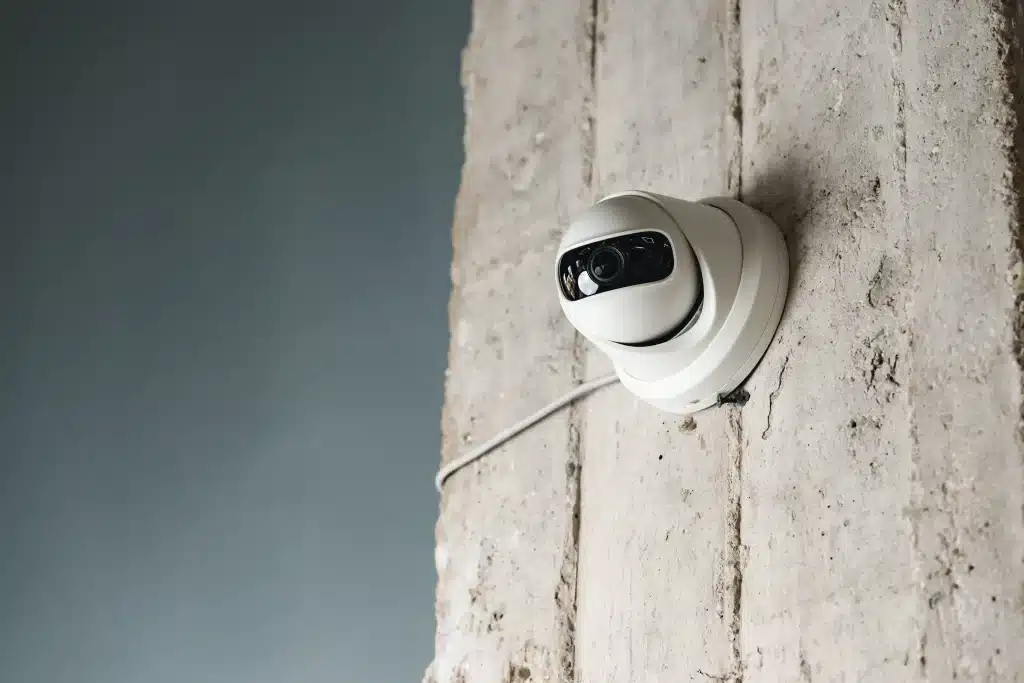
Spring brings that familiar urge to refresh and improve our homes. Gardens get attention after winter neglect, decorating projects finally happen, and properties generally receive the care that darker months discouraged. For many Essex homeowners, this seasonal energy extends to thinking about home security, particularly with summer holidays approaching and the prospect of leaving properties unattended for extended periods. The peace of mind that comes from knowing your home is properly protected transforms how you experience time away. Rather than nagging anxiety about what might be happening back home, robust security allows genuine relaxation and enjoyment. Modern home security systems offer capabilities that seemed like science fiction a decade ago, yet remain surprisingly accessible for typical family homes. Understanding your options helps you make informed decisions about upgrades that deliver real protection rather than just the appearance of security. Why Spring is the Ideal Time for Security Improvements Timing security upgrades for spring makes practical sense for several reasons. Installation work often involves some outdoor activity, from positioning external cameras to fitting bell boxes and running cables. Warmer, drier weather makes this work more comfortable for installers and typically faster to complete. Ground conditions allow easier cable routing where underground runs are required, avoiding the frozen or waterlogged soil that winter presents. More importantly, spring installation means protection is established well before summer holiday season arrives. Rushing to arrange security the week before departure creates unnecessary stress and may result in compromises that proper planning would avoid. Having systems operational for several weeks before you travel allows familiarisation with controls, confidence that everything functions correctly, and time to address any teething issues that occasionally arise with new installations. The period before summer also tends to offer better availability from quality installers. As the year progresses, installation schedules fill with emergency work for people who’ve experienced break-ins and urgent requests from those suddenly realising holidays are imminent. Planning ahead means appointments that suit your schedule rather than taking whatever slots remain. Property improvements often cluster in spring, and coordinating security work with other projects can prove efficient. If decorators are already accessing roof areas, combining their access equipment with camera installation makes sense. Electrical work happening anyway might accommodate additional circuits for security equipment at marginal extra cost. Home CCTV Installation: What Modern Systems Offer Home CCTV has evolved dramatically from the grainy, unreliable systems many people remember. Contemporary cameras deliver crystal-clear footage in conditions that would have defeated earlier generations, while connectivity advances mean you’re never truly separated from visibility of your property. Image quality improvements transform what cameras can actually achieve. High-definition recording captures facial features, vehicle registration plates, and fine details that older systems rendered as indistinct blurs. Low-light performance using infrared illumination or advanced sensor technology maintains useful images through darkness, while wide dynamic range handles the challenging contrast between bright sky and shadowed areas that previously caused problematic exposure. Remote viewing via smartphone applications means your cameras travel with you, metaphorically at least. Checking live feeds from your sun lounger in Spain takes seconds, providing either reassurance that all appears well or immediate awareness should something seem wrong. Motion alerts notify you of activity rather than requiring constant monitoring, though you can watch live whenever curiosity or concern prompts. Intelligent detection increasingly distinguishes between events worth notifying and irrelevant triggers. A cat crossing your garden at three in the morning needn’t wake you, while a person approaching your back door absolutely should. Vehicle detection on driveways, parcel delivery recognition, and even facial recognition identifying family members versus strangers all feature in current systems. Recording options have expanded beyond the dedicated hard drive recorders that traditional CCTV required. Cloud storage means footage exists independently of equipment in your home, so even if cameras are stolen or damaged during a break-in, evidence remains preserved. Local recording remains available for those preferring data to stay on their own premises, and hybrid approaches offer both options. Professional home CCTV installation ensures cameras are positioned for maximum effectiveness rather than just convenient mounting points. Optimal angles, appropriate height, correct focus distances, and consideration of lighting conditions throughout the day all influence whether your system delivers genuinely useful coverage or just technically functional recording. Smart Alarm Systems: Beyond Basic Detection Modern alarm systems bear little resemblance to the noisy boxes that gave security systems a reputation for neighbourhood nuisance. Smart technology has transformed what alarms Essex homeowners can expect, creating systems that are simultaneously more sensitive to genuine threats and less prone to false activations. Connectivity sits at the heart of smart alarm capability. Rather than simply triggering a local sounder and hoping someone investigates, connected alarms communicate instantly with monitoring centres and directly with homeowners. The moment an activation occurs, you know about it regardless of where you are. Monitoring operators can verify whether activation represents a genuine emergency and coordinate appropriate response including police attendance when necessary. App-based control liberates you from the constraints of fixed keypads. Arming your system from bed when you realise you forgot to set it, checking status while walking to the car, or disarming remotely to let a family member in who’s forgotten their code all become possible. Scheduled arming ensures protection activates automatically if you’re prone to forgetting, while geofencing can arm or disarm based on your phone’s location. Sensor technology has advanced considerably. Motion detectors distinguish between human movement and pets below certain sizes, addressing one of the most common false alarm causes. Door and window contacts detect actual opening rather than just vibration. Glass break sensors identify the specific acoustic signature of breaking glass rather than triggering on any loud noise. Environmental sensors detecting smoke, carbon monoxide, or water leaks extend alarm systems beyond intrusion detection into broader home protection. Integration with other smart home technology creates cohesive automation. Alarm activation can trigger lights to switch on, cameras to begin recording, and smart locks to secure. Arriving home can automatically disarm security while switching on lighting and adjusting heating. These interconnections
Enhancing Access Control for Seasonal Staff and Visitors This Summer
Summer transforms the operational rhythm of countless Essex businesses. Tourist attractions welcome swelling visitor numbers, hospitality venues extend their hours, retailers staff up for peak trading, and agricultural operations bring in temporary workers for harvest season. This seasonal intensification creates genuine security challenges that permanent staffing patterns simply don’t present. Managing who can access your premises, when they can enter, and which areas they can reach becomes considerably more complex when your workforce fluctuates and footfall multiplies. Traditional key-based security struggles to accommodate these seasonal demands. Keys get lost, copied, or fail to return when temporary contracts end. Tracking who holds which keys becomes administratively burdensome, and changing locks every time someone leaves proves impractical and expensive. Modern access control systems Essex businesses increasingly rely on address these limitations while delivering operational benefits that extend well beyond basic security. The Summer Access Challenge Seasonal staff present unique security considerations that differ fundamentally from managing permanent employees. Temporary workers need sufficient access to perform their roles effectively but shouldn’t necessarily have the same permissions as established team members. A summer retail assistant requires access to the shop floor and staff areas but probably not the back office or stockroom cage containing high-value items. A temporary warehouse operative needs entry during their shift pattern but not twenty-four-hour access enjoyed by supervisors. Managing these graduated permissions manually becomes unwieldy as numbers increase. Each new starter requires decisions about which doors they can open and which times they can access the building. Each departure necessitates recovering credentials and updating records. Multiply this across dozens of seasonal recruits and the administrative burden becomes substantial, while the security risks from forgotten departures or inappropriate permissions compound. Visitor management adds another dimension to summer access challenges. Businesses welcoming increased customer footfall need to balance accessibility with security. Contractors, delivery drivers, and service providers require temporary access that shouldn’t extend beyond their specific purpose. Interview candidates, clients, and business visitors need appropriate welcome without compromising protected areas. Extended operating hours during summer months stretch access requirements beyond normal patterns. Staff arriving earlier, leaving later, or working weekend shifts need credentials that reflect these expanded timetables. Cleaning teams, maintenance contractors, and security personnel require out-of-hours access that permanent weekday operations might not demand. How Modern Access Control Addresses Seasonal Demands Contemporary access control systems offer flexibility that traditional security simply cannot match. Rather than physical keys that function identically regardless of who holds them, electronic credentials carry embedded permissions defining precisely where and when access is permitted. Credential management becomes straightforward even with fluctuating workforce numbers. Adding a new temporary staff member takes minutes rather than the procurement, cutting, and distribution process keys require. Permissions are assigned from templates matching standard role profiles, ensuring appropriate access without repeated decision-making for each individual. When employment ends, credentials deactivate instantly from a central system, eliminating the anxious wait for key returns and the security gap while locks remain unchanged. Time-based permissions ensure access aligns with actual working patterns. A seasonal employee contracted for morning shifts simply cannot enter during evening hours, regardless of whether they retain their access card. Weekend-only staff find doors unresponsive on weekdays. This automatic enforcement removes reliance on trust or supervision to prevent inappropriate access, while avoiding awkward conversations about returned keys or changed codes. Zone-based control allows premises to be divided into areas with different permission levels. General staff access common areas while restricted zones require additional authorisation. Sensitive areas like server rooms, cash offices, or stock cages remain protected even from employees with general building access. This graduated approach means seasonal workers receive appropriate permissions without exposing areas irrelevant to their role. Temporary credentials with automatic expiry prove particularly valuable for fixed-term arrangements. Access can be programmed to cease on a specific date, eliminating the possibility of permissions persisting beyond contracted periods. Holiday cover staff, summer placement students, and seasonal recruits all benefit from credentials that simply stop working when they should, without requiring manual intervention. Visitor Management Through Access Control Professional visitor management creates positive first impressions while maintaining security awareness. Modern access control systems incorporate visitor functionality that streamlines reception processes and ensures appropriate oversight of non-employees on your premises. Pre-registration allows expected visitors to be entered into systems before arrival. Reception staff or hosts can input visitor details in advance, specifying expected arrival times, the purpose of visit, and the areas they’ll need to access. When visitors arrive, check-in becomes swift and efficient rather than involving lengthy form-filling and waiting while credentials are prepared. Visitor credentials can take various forms depending on security requirements and visitor frequency. Simple printed passes suffice for occasional visitors to reception areas, while temporary access cards enable escorted or unescorted movement through controlled doors for those requiring deeper building access. Returning visitors like regular contractors or frequent clients can receive semi-permanent credentials with appropriate permissions that avoid repeated registration. Audit trails document all visitor activity automatically. Who visited, when they arrived and departed, which host they met, and which areas they accessed all record without manual logging. This documentation proves valuable for fire safety roll-calls, security investigations, and compliance requirements across various regulated industries. Integration with intercom systems creates seamless visitor arrival experiences. Visitors announce themselves at entrance points, staff verify identity visually or verbally, and door release grants access without leaving desks. Modern intercom system installers configure solutions connecting entrance points with multiple response positions, ensuring visitors receive prompt attention regardless of which staff member is available. Operational Benefits Beyond Security While security drives most access control investments, the operational advantages often prove equally valuable. Understanding how your premises are actually used informs better management decisions across multiple business functions. Attendance data emerges naturally from access transactions. Rather than maintaining separate time and attendance systems, access records document when staff arrived and departed. Payroll verification, working time compliance, and absence pattern analysis all benefit from accurate, automatically captured data. Occupancy monitoring shows real-time building population. Fire safety requirements mandate accurate knowledge of who’s present for
CCTV Laws UK: What You Need to Know Before Installing Cameras
Installing a CCTV camera system gives you peace of mind about protecting your home or business. However, before you install CCTV, it’s crucial to understand the legal responsibilities that come with security cameras in the UK. Getting it wrong could lead to complaints from neighbours, fines, or even legal action. Let’s break down everything you need to know about UK CCTV laws in simple terms. Understanding the Basic Rules The main laws governing CCTV law in the UK are the Data Protection Act 2018 and the General Data Protection Regulation (GDPR). These are overseen by the Information Commissioner’s Office (ICO), the organisation responsible for protecting privacy rights. The Protection of Freedoms Act 2012 also provides a code of practice for surveillance cameras. Here’s the key principle: if your cameras only record within your property boundaries, data protection law generally doesn’t apply. However, when your system captures images beyond your property line—such as neighbouring gardens, pavements, or streets—you must follow specific legal requirements. When Do CCTV Laws Apply? Many people are surprised to learn when UK CCTV laws come into effect. The rules apply whenever your security system records a public area or areas beyond your boundary: Your neighbour’s property or garden Shared spaces like communal hallways Public footpaths or pavements Streets or public areas Even if your CCTV camera only catches a small section of these areas, you’re legally required to comply. This doesn’t mean you can’t use CCTV in these situations—you just need to follow proper procedures when installing a CCTV system. Your Legal Responsibilities as a CCTV Owner Understanding your legal responsibilities is essential before you install CCTV. If your system records beyond your property boundary, you must meet several requirements: Have a Clear, Justifiable Reason You need a legitimate reason for using CCTV that captures areas outside your property. Protecting against crime and anti-social behaviour is generally acceptable. However, be prepared to explain why capturing images beyond your boundary is necessary if asked by the Information Commissioner’s Office (ICO) or your neighbours. Display Proper Signage You must inform people that CCTV is operating. Signs should be clearly visible at entry points. Your signage should include: A clear statement that CCTV is in operation The purpose (usually security or crime prevention) Contact details for queries about the footage Keep CCTV Footage Secure Recordings must be stored safely and only accessed by people who need to see them. You can’t share CCTV footage with friends for entertainment or post it on social media. Keeping your footage secure means using password protection and limiting access. Delete Recordings Regularly Don’t keep CCTV footage longer than necessary. Most users should delete recordings after 31 days unless there’s a specific reason to keep them, such as an ongoing police investigation. Setting your CCTV system to automatically delete old footage helps you stay compliant with the Data Protection Regulation (GDPR). Minimise Privacy Intrusion Where possible, angle your cameras to reduce how much they capture beyond your property. Modern systems often include privacy masking features that blur out areas like neighbouring windows whilst still protecting your property. What Rights Do People Have? Anyone captured by your system has specific legal rights under data protection law: Right to Access CCTV Footage People can make a Subject Access Request to see footage that shows them. You must respond within one calendar month. You’ll need to verify their identity before handing over any recordings. Right to Object Individuals can formally object to being recorded. You must consider their objection seriously and justify why you need to continue recording. If you can’t provide a strong reason, you may need to reposition your CCTV camera. Right to Erasure People can request that you delete CCTV footage containing their image. Whilst you don’t always have to comply—particularly if the footage relates to preventing crime—you should respond appropriately and explain your reasoning. Common Situations: What’s Allowed? Scenario Legal Status Requirements The camera is pointing only at your front door Legal – no data protection laws apply None required A camera covering the driveway and a small pavement section Legal with compliance Display signs, justify necessity, and respond to requests The camera is recording the neighbour’s garden extensively Potentially problematic Very strong justification needed, likely reposition required Smart doorbell capturing visitors and part of the street Legal with compliance Display signs, store footage securely, and delete regularly Business CCTV covering the car park and public road Legal with compliance Signage, ICO registration, staff awareness, secure storage Special Considerations for Businesses If you operate a business and have installed a CCTV system, you face additional requirements under UK CCTV laws. Commercial users must register as data controllers with the Information Commissioner’s Office (ICO) and may need to pay an annual data protection fee. The amount varies from £40 for small businesses to £2,900 for large corporations. Businesses must inform employees they’re being monitored, explaining why CCTV is necessary and how CCTV footage will be used. Staff have the same rights to access footage as members of the public under the General Data Protection Regulation. What Happens If You Don’t Comply? Failing to follow the CCTV laws UK can result in serious consequences. The ICO can take enforcement action, including issuing fines. More significantly, individuals affected by improper CCTV use can take civil legal action against you. There have been notable cases where homeowners were ordered to pay substantial compensation for privacy breaches. In one well-publicised incident, a homeowner was ordered to pay £100,000 after a judge ruled his smart doorbell cameras broke data protection laws. Best Practice Tips Following these practical steps will help you stay within the law whilst protecting your property: Talk to Your Neighbours. Before installing a CCTV system, have a conversation with nearby residents. Explain why you need cameras and what areas will be covered. This often prevents disputes. Position Cameras Carefully. Take time to angle your CCTV camera properly. Focus on your property rather than monitoring public areas or neighbours’ homes.